
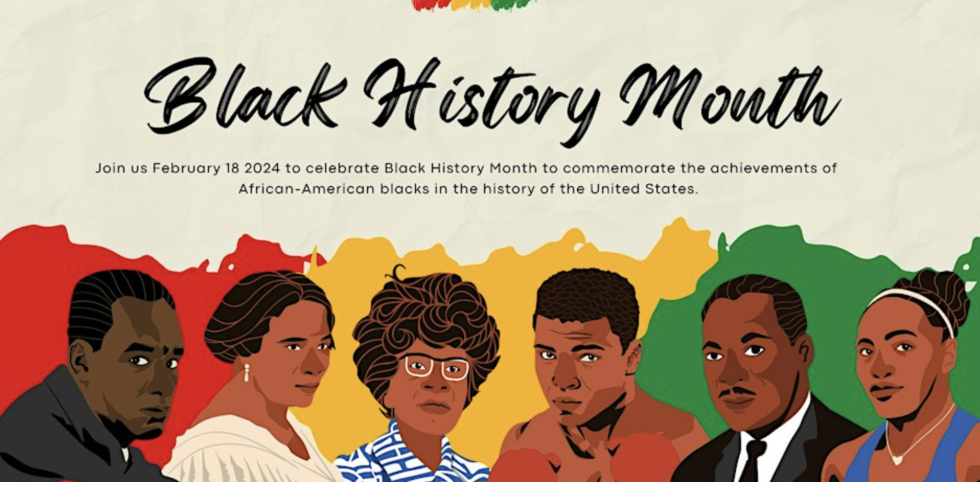
As Black History Month concluded in the United States just over a week ago, I found myself reflecting on the stories that shape how societies remember their past and honour the dignity of those who came before us.
Although the Tutu Foundation UK is based in Britain, this moment resonates personally. I was born and spent much of my life in the United States, and many of our friends and supporters are part of that community. For me, the observance of Black History Month in the United States is not separate from our work here. It forms part of a wider and shared conversation about history, justice, and recognition.
At almost the same time, a troubling moment at the BAFTAs prompted wider reflection about dignity and responsibility in our cultural institutions. During the ceremony, a racial slur was shouted from the audience while actors Michael B. Jordan and Delroy Lindo were presenting an award. The words came from a Tourette syndrome campaigner whose condition can involve involuntary vocal tics. The circumstances were complex and deeply unfortunate.
Yet for many viewers, the deeper concern was what happened next. The slur was broadcast unedited to audiences around the world. In a ceremony intended to celebrate creativity and storytelling, a word carrying centuries of violence and humiliation was allowed to travel freely across screens and into homes.
Compassion for disability and recognition of involuntary conditions must be held alongside an equally clear commitment to protecting dignity. When harm occurs in public spaces, institutions have a responsibility to respond with care and awareness. In the days since, many people have asked a difficult but necessary question, whose dignity is protected when moments like this unfold in real time?
My grandfather often reminded us that justice requires both truth and compassion. Moments like this ask us to hold those two things together. They also remind us that the choices institutions make in real time can either reinforce harm or affirm the dignity of those who have too often been asked to bear it.
Whether in the United States, the United Kingdom, or anywhere else in the world, the stories we elevate, and the care with which we protect one another’s humanity, help shape the kind of future we build together.